Hair Loss Myths Debunked: What Actually Works in 2026

Danny Chao • August 5, 2026


Hair thinning often changes gradually, but the effect on confidence can still feel significant. Whether you are noticing more shedding during a morning routine in Kitsilano or seeing a widening part before work Downtown, it is easy to get lost in myths, supplements, and online trends that promise more than they deliver.


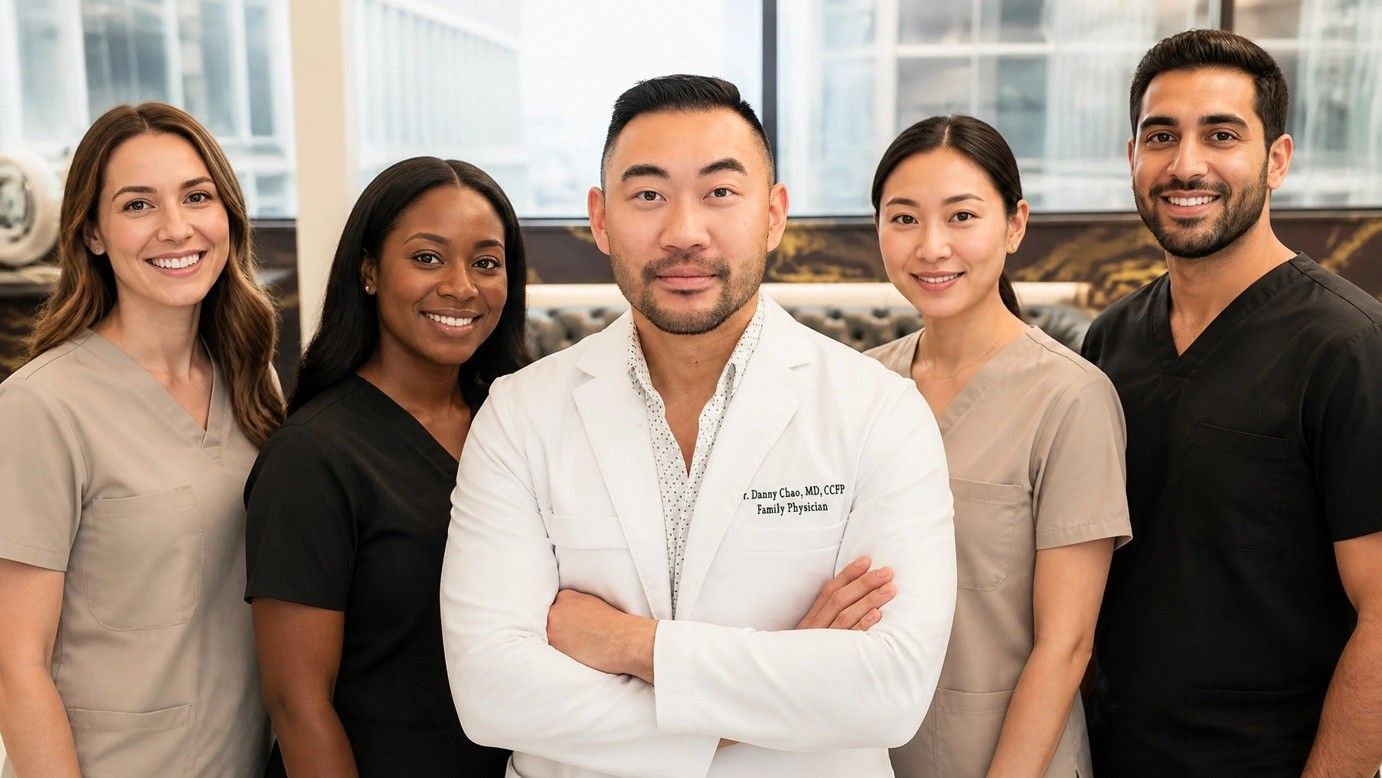
At the clinic of Dr. Danny Chao, we take a measured, evidence-based approach. The goal is not to chase fads, but to identify what is actually causing the change and build a realistic plan that supports long-term scalp and hair health.


Common Hair Loss Myths

washing your hair causes hair loss

Usually, the hairs seen during washing were already in the shedding phase. Shampooing does not create pattern hair loss, and a clean scalp is an important part of overall scalp health.


Hats cause baldnesss

Standard hats do not "suffocate" follicles. Only chronic tension from very tight hairstyles or headwear is associated with traction-related loss.


Hair loss comes only from your mother’s side

Pattern hair loss is polygenic, meaning it can be inherited from either parent. Family history can help, but it is rarely as simple as one side of the family.


Hair loss means too much testosterone

The issue is usually follicle sensitivity to DHT, not simply having high testosterone levels.
What Actually Helps

Most "hair vitamins," gummies, and oils do not treat genetic pattern hair loss unless there is a true nutritional deficiency. In some cases, over-supplementing can even make shedding worse.


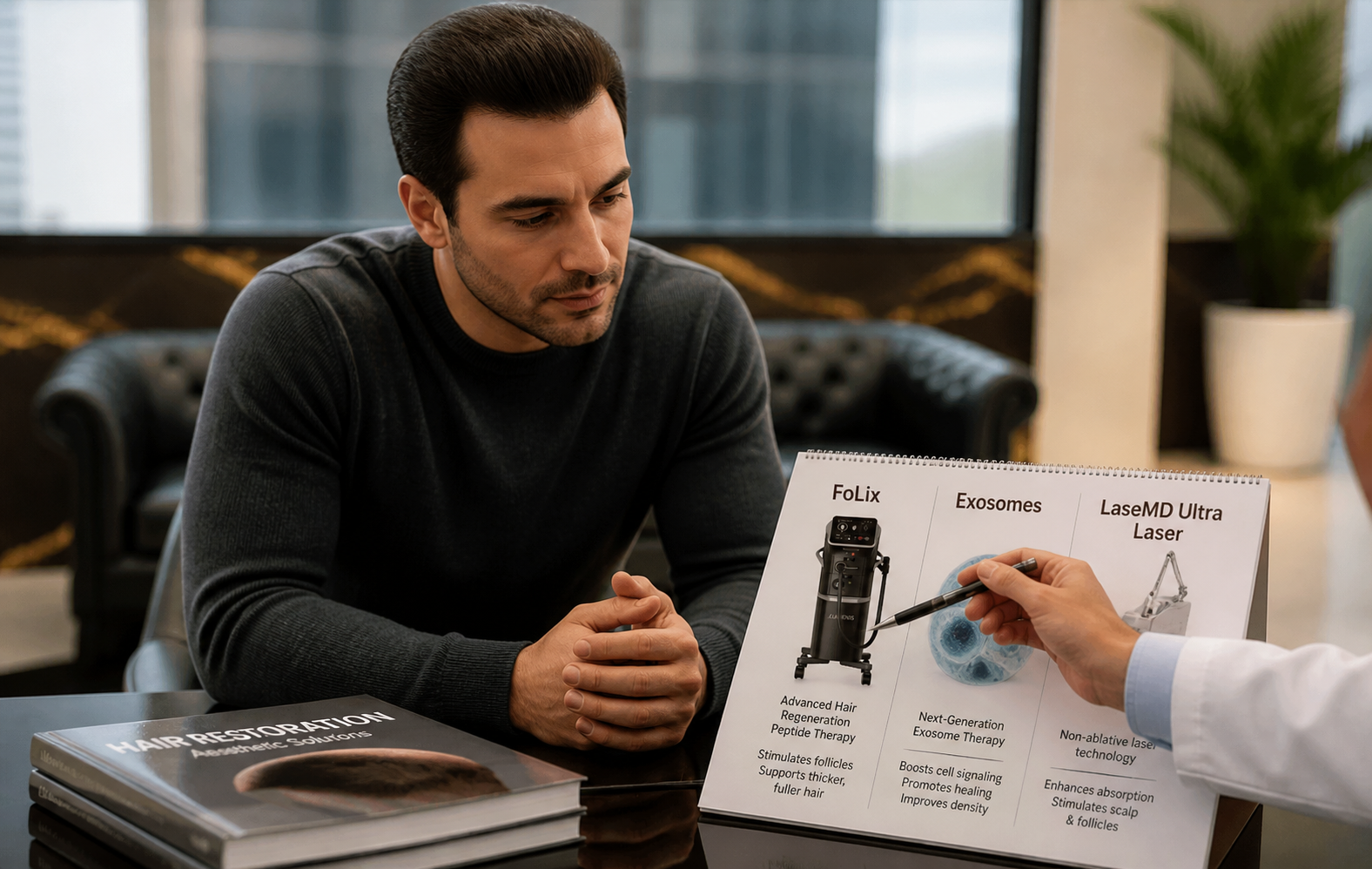
What tends to be more useful is a doctor-led plan based on diagnosis and consistency. At our clinic, that may include physician-led treatments such as:


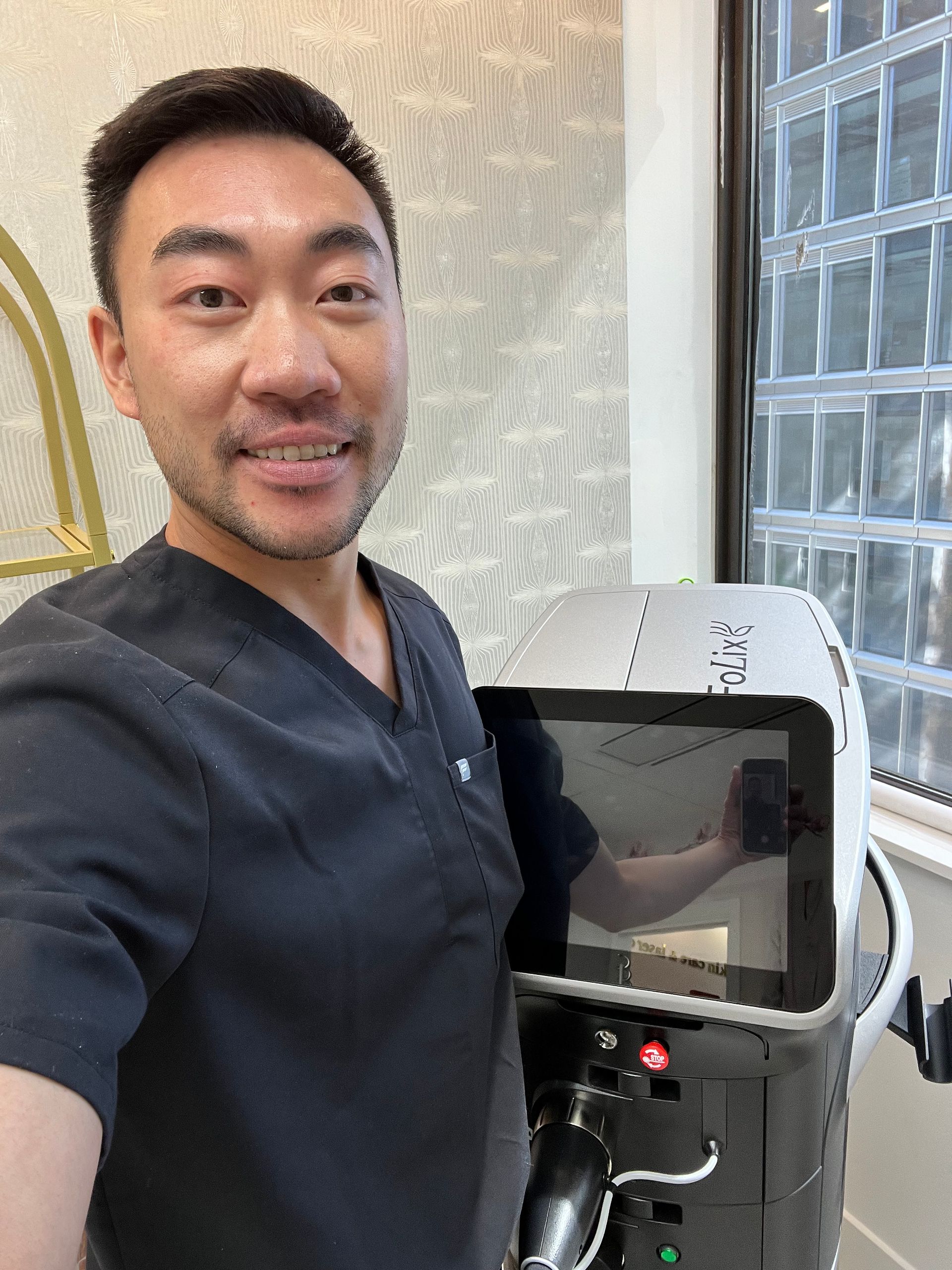
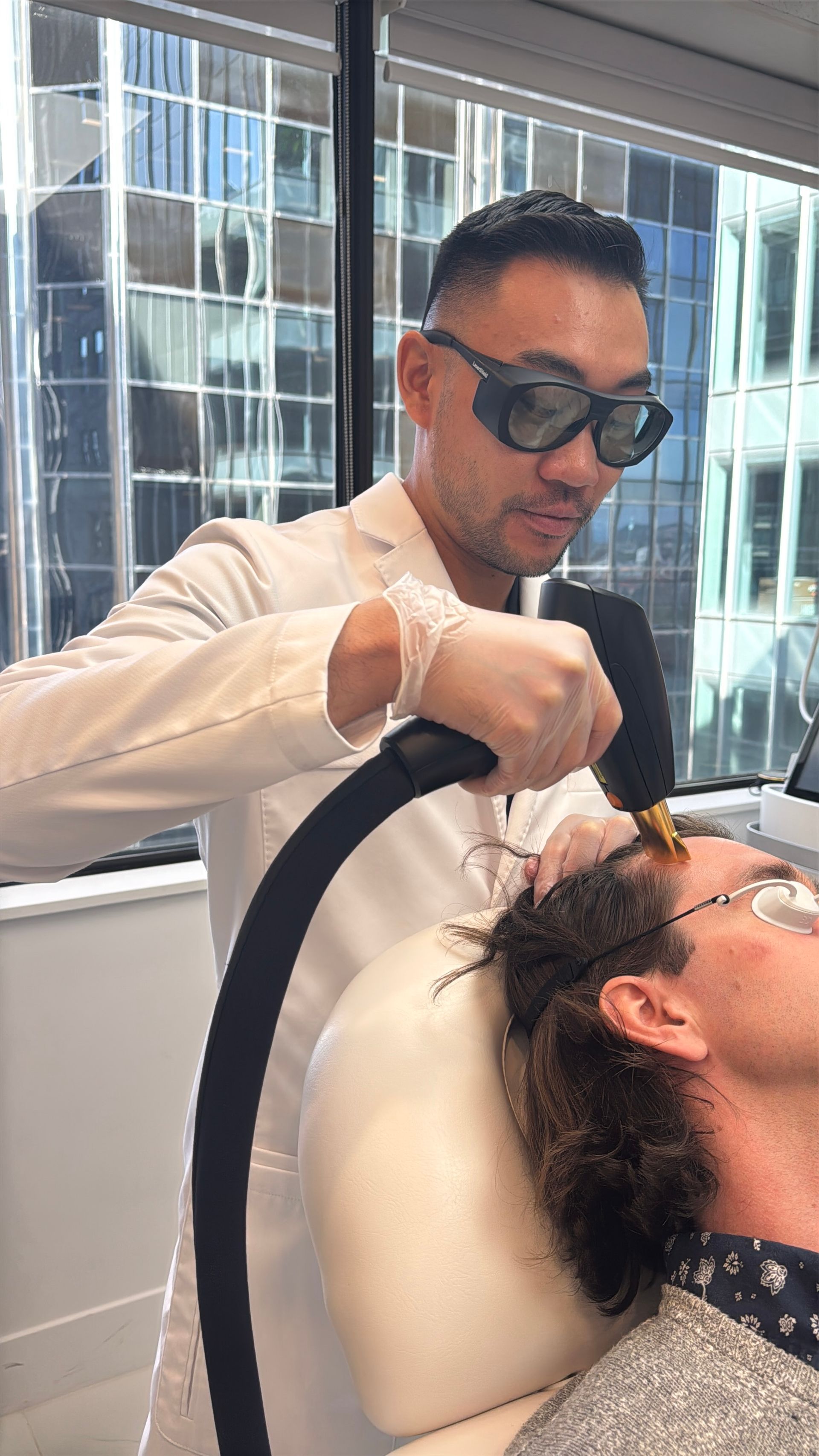
  • FoLix™ laser hair restoration to stimulate follicles in a non-surgical, in-clinic setting
  • Exosomes as a medically guided regenerative option
  • Scalp microneedling to support growth signals and improve treatment penetration


These approaches are selected carefully, with realistic expectations and ongoing follow-up rather than quick-fix promises.
Why Physician-Led Care Matters

Not every form of hair loss is the same. Pattern thinning, telogen effluvium, and alopecia areata can look similar at first, but they do not respond to the same treatment plan. That is why medical assessment matters.


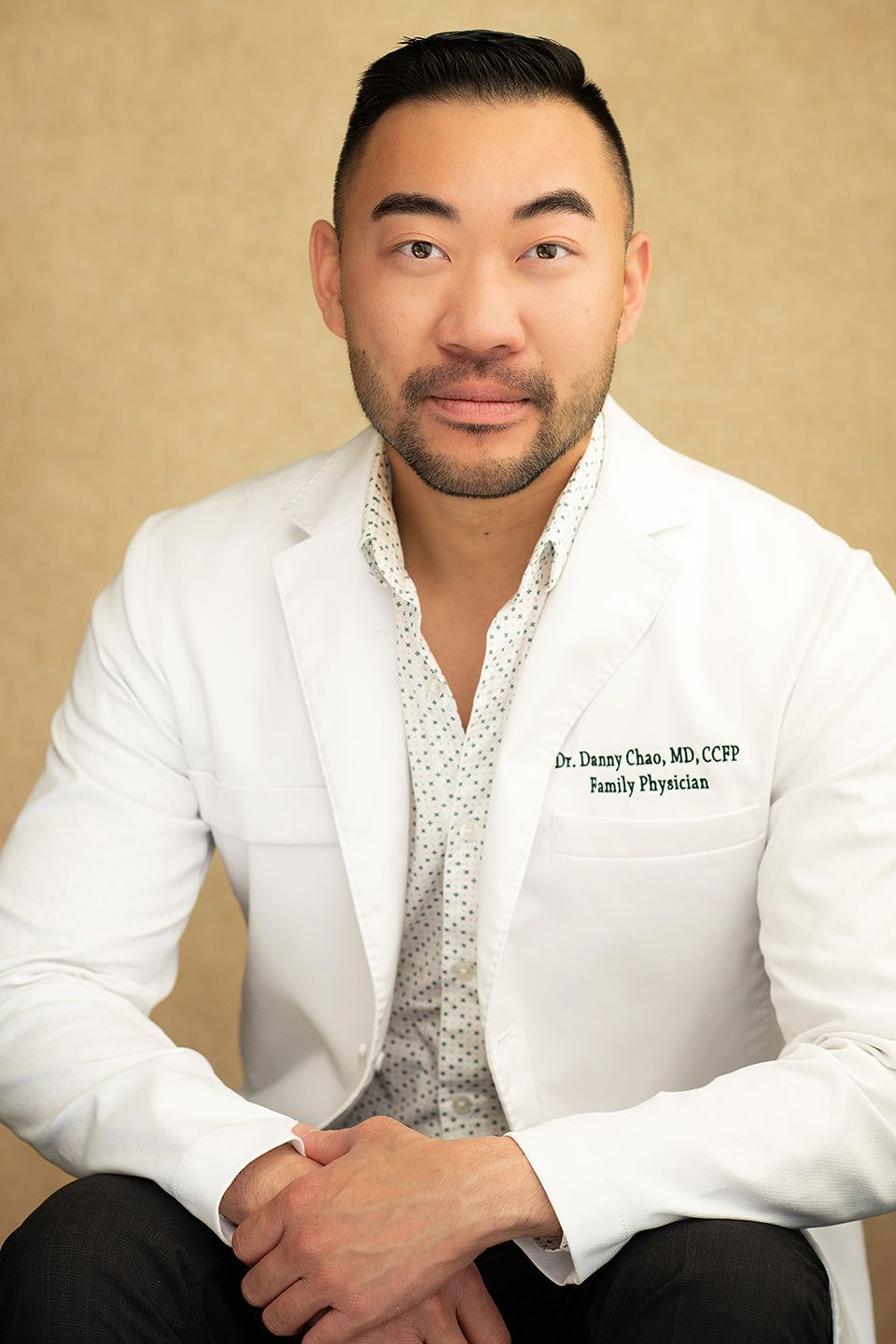
With Dr. Chao, care is personally delivered by a board-certified Canadian-trained doctor and never delegated. That means:


  • accurate diagnosis before treatment begins
  • evidence-based recommendations rather than trend-based protocols
  • consistent monitoring and sensible adjustments over time
  • continuity of care from a convenient Downtown Vancouver location at 609 W Hastings St

A Sensible Next Step

If hair changes are starting to quietly affect confidence, getting clear medical advice can be a positive next step. Dr. Chao is also the exclusive provider of FoLix™ in BC, offering a distinctive physician-led option for patients seeking natural-looking, medically supervised care.


Book a consultation for clear, professional advice today.

BOOK COSMETIC CONSULTATION
By Danny Chao July 22, 2026
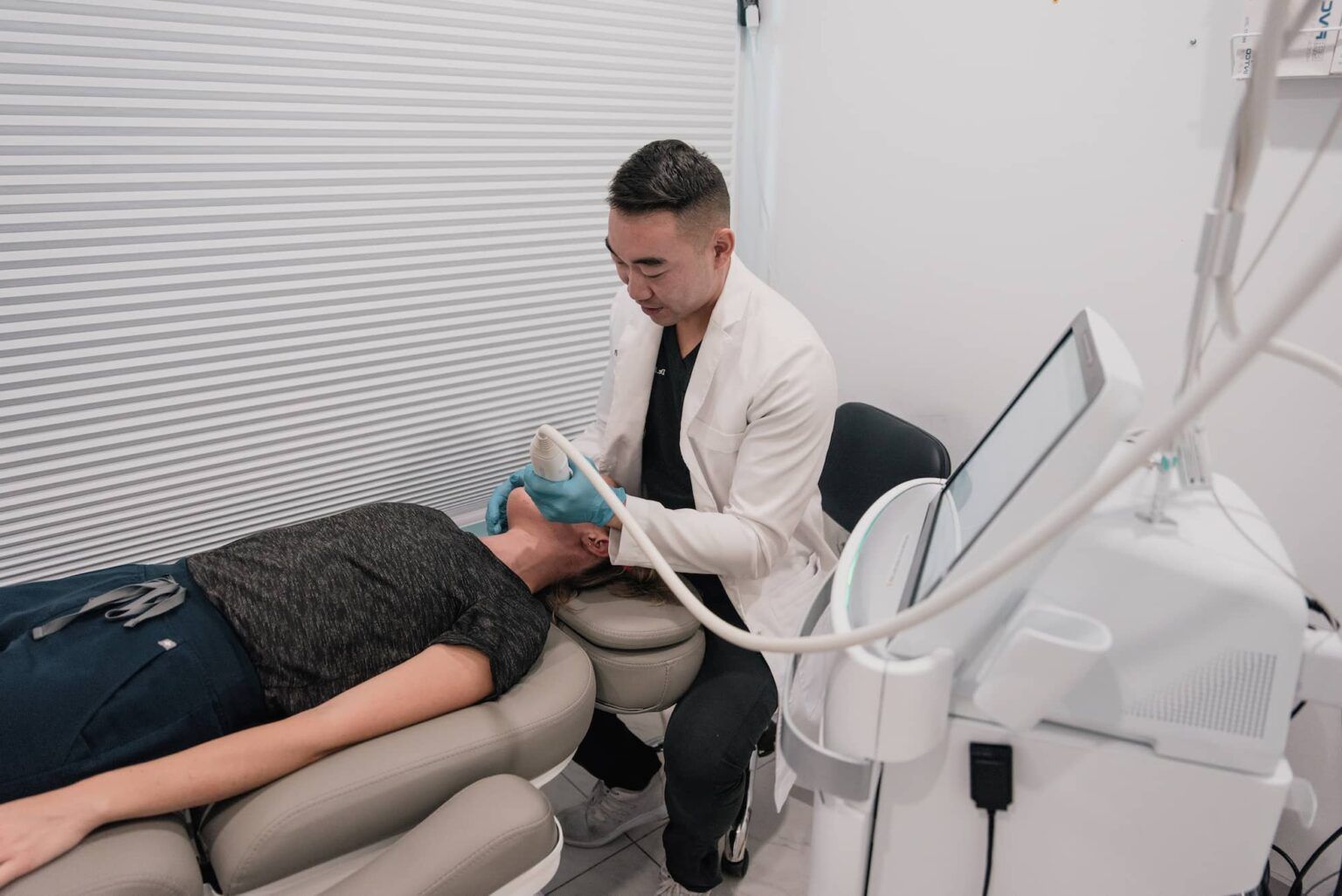
When you begin to notice the subtle signs of hair thinning or skin changes that no longer reflect how you feel inside, it is natural to look for solutions. The world of medical aesthetics is vast, often filled with overwhelming options, flashy advertisements and complex terminology. Amidst this noise, one phrase stands out as a cornerstone of safety, quality and experience: physician-delivered care. At Danny Chao MD | Aesthetics Laser Hair & Skin , “Physician-delivered care” isn't just a marketing slogan; it is the fundamental principle of our practice. But what does it actually mean for you, the patient, when a board-certified, Canadian-trained medical doctor performs every step of your treatment? The Distinction of Direct Medical Care In many aesthetic clinics across Vancouver, a common model exists where a physician "oversees" the practice, but the actual procedures: injections, laser treatments or microneedling are delegated to nurses or technicians.  Physician-delivered care means that from the initial consultation to the final follow-up, your care is in the hands of the doctor himself. There is no hand-off. There is no delegation. When you book a session for FoLix™ laser hair restoration or microneedling, it is Dr. Chao who holds the device and performs the procedure.
By Danny Chao July 13, 2026
For many individuals, noticing a gradual change in hair density is a quiet experience that can significantly affect confidence and self-esteem. Whether it is a widening central part on the scalp, a receding hairline or general thinning that becomes more apparent under harsh bathroom lights, the journey involved in hair loss often starts with more questions than answers. At Danny Chao MD | Aesthetics Laser Hair & Skin , we believe that hair loss treatment should be a clinically-guided journey, rooted in evidence and delivered with the highest level of clinical accountability and expertise. Navigating the sea of "miracle cures" can be overwhelming; however, by adhering to a set of core medical principles, you can approach your hair loss with a measured, sensible authority. Here are the top 10 principles by Dr. Chao for treating male or female pattern hair loss, designed to help you make informed, realistic and practical decisions about your hair loss treatment. 1. Not all hair loss is male or female pattern hair loss  It is a common misconception that all hair thinning is synonymous with Androgenetic Alopecia (pattern hair loss). In reality, there are many different types and causes of hair loss, ranging from Telogen Effluvium (temporary shedding due to stress, illness, medications among other causes) to Alopecia Areata (an immune condition) or even autoimmune, inflammatory conditions that destroy your hair follicles and replace them with scars. Each of these conditions requires a vastly different approach in hair loss treatment. What works for pattern hair loss may be entirely ineffective or even contraindicated for another type of hair loss. A precise diagnosis is the first and most critical step in ensuring you are not wasting time, resources and money on the wrong or ineffective hair loss treatment.