Exosomes for Hair Loss 101: A Beginner’s Guide to Regenerative Growth
For many people across Vancouver, noticing a thinning hairline or widening part can quietly affect confidence. It often starts subtly: more hair in the brush, a little more scalp showing after a morning commute, or a styling routine that no longer works the same way. While it is tempting to look for a quick fix, the most sensible next step is a medically guided one.
Exosomes are part of regenerative medicine. In hair restoration, they are used to support the scalp environment around weakened follicles and encourage healthier growth signals. This article explains what exosomes are, how they may help, and why a physician-led, evidence-based plan matters for realistic long-term care.
What Are Exosomes?
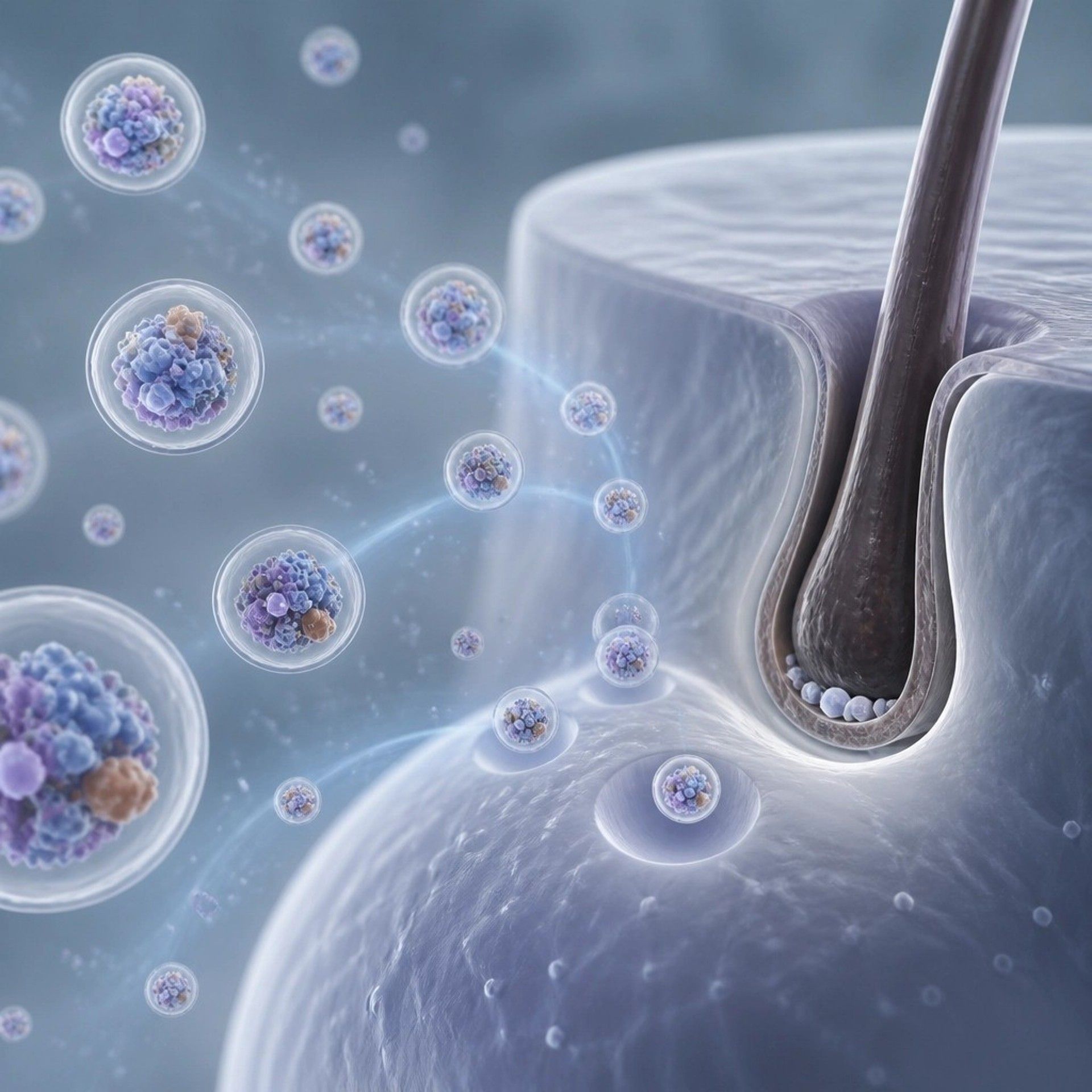
Exosomes are tiny signaling particles released by cells. You can think of them as cellular messengers. Unlike stem cell therapy, exosome treatment uses the signaling molecules rather than the cells themselves.
In hair restoration, these messengers contain proteins, growth factors, and lipids that may help support weakened follicles and encourage them back toward the active growth phase.
How Exosomes May Help Hair Thinning
Hair restoration is usually a gradual process, not an overnight change. Exosomes are used to support that process in a few key ways:
- Follicle signaling: They may help shift follicles from resting into active growth.
- Scalp support: They may improve the local environment around follicles.
- Inflammation control: They may help calm inflammatory signals that can contribute to thinning.
Exosomes vs. PRP
Patients often ask how exosomes compare with PRP:
- PRP: Uses growth factors from your own blood, so results can vary depending on the individual.
- Exosomes: Are purified and concentrated, offering a more standardized regenerative stimulus.
Why Combination Care Often Makes More Sense
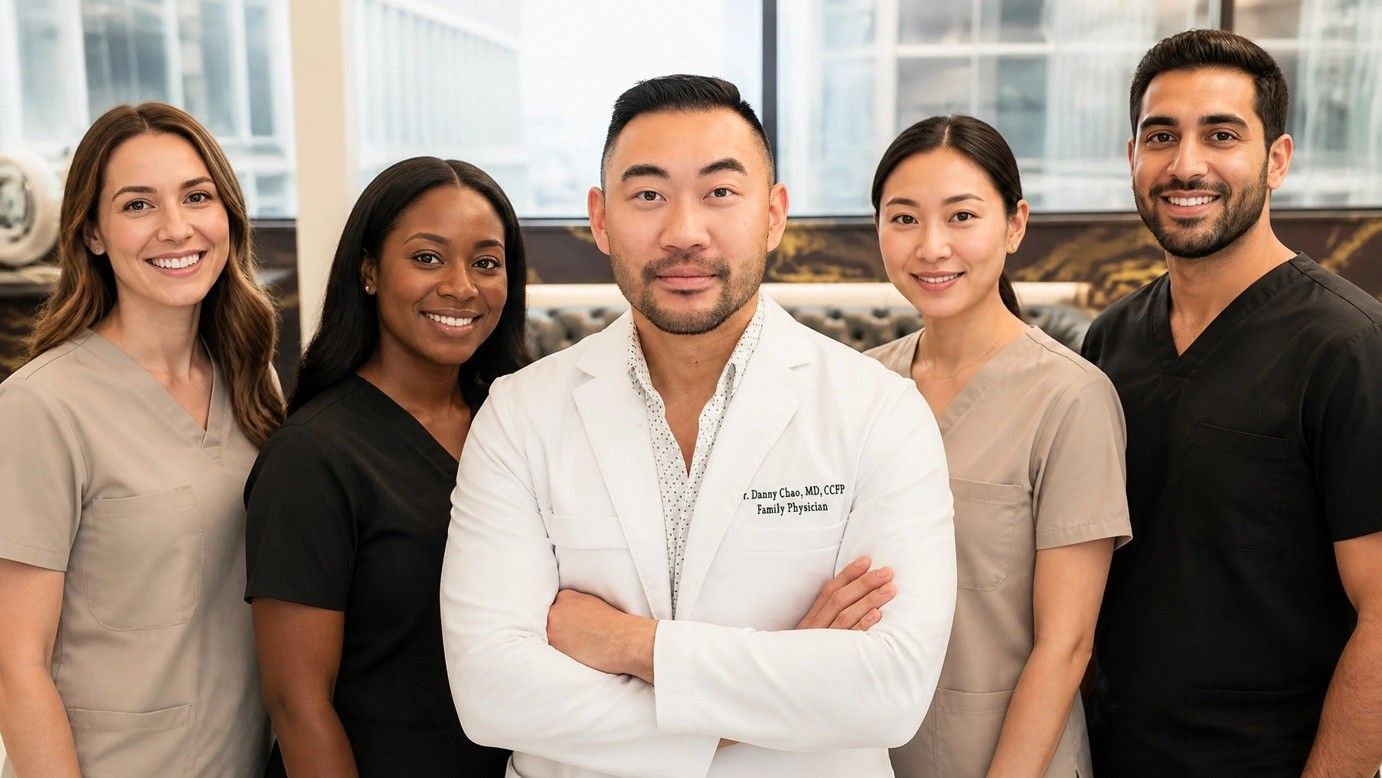
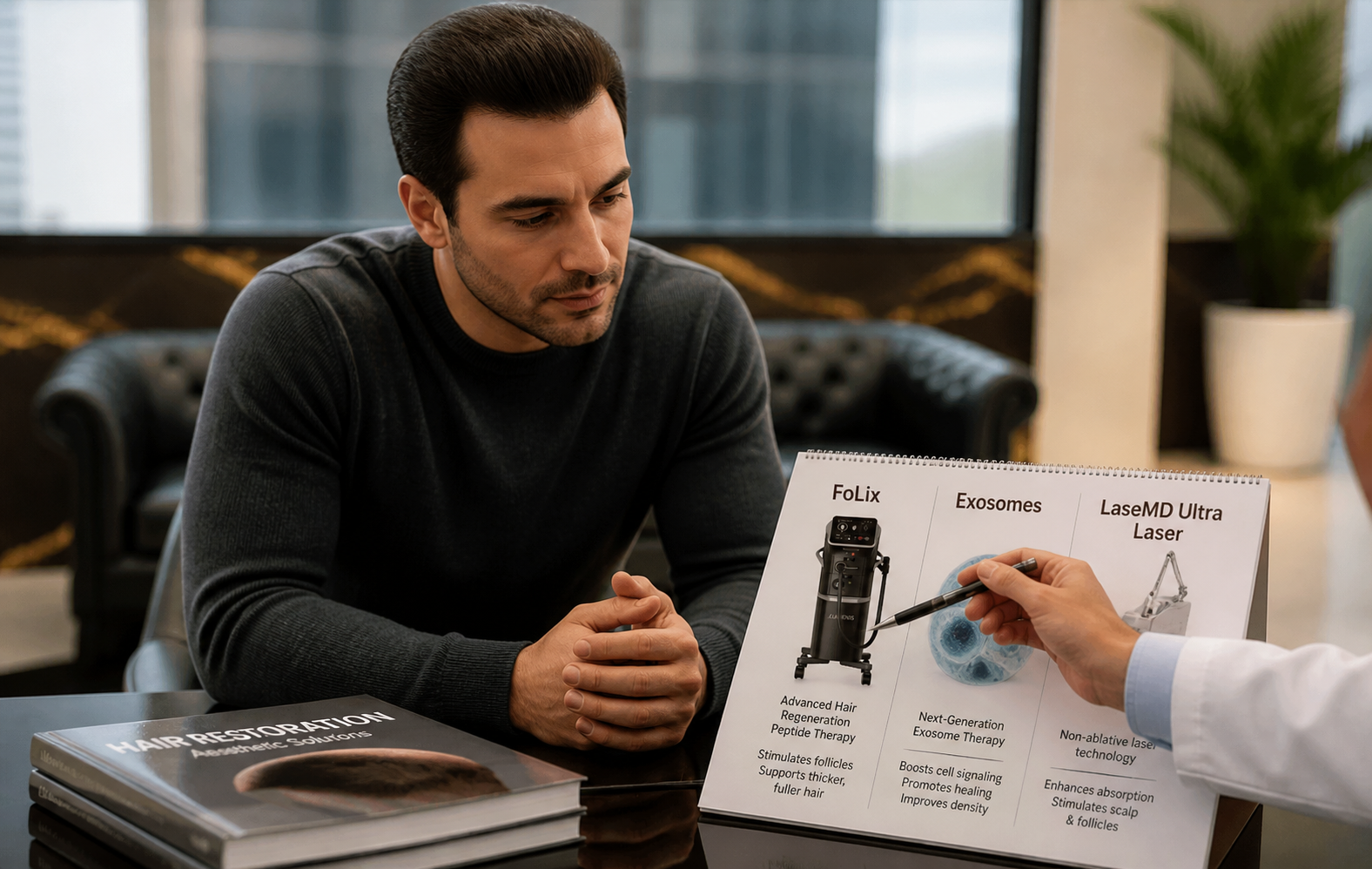
Exosomes are often most useful as part of a broader treatment plan rather than as a stand-alone solution. At our Vancouver clinic, Dr. Danny Chao builds doctor-led plans that may combine exosomes with other evidence-based options.
Exosomes and Scalp Microneedling
We often pair exosomes with
scalp microneedling to help improve delivery into the scalp. Microneedling also creates its own regenerative response, which may complement the treatment.
Exosomes and FoLix™ Laser Hair Restoration
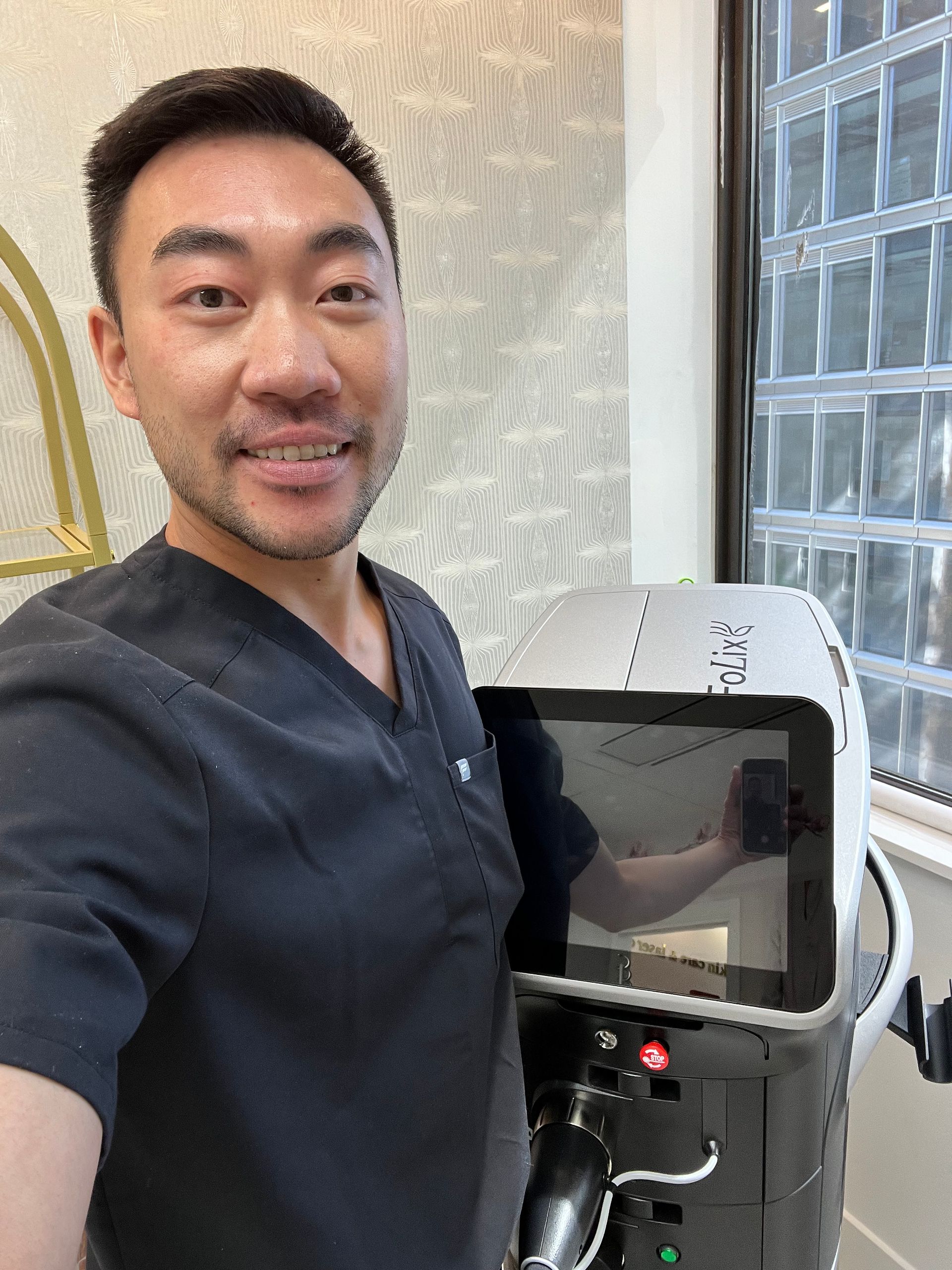
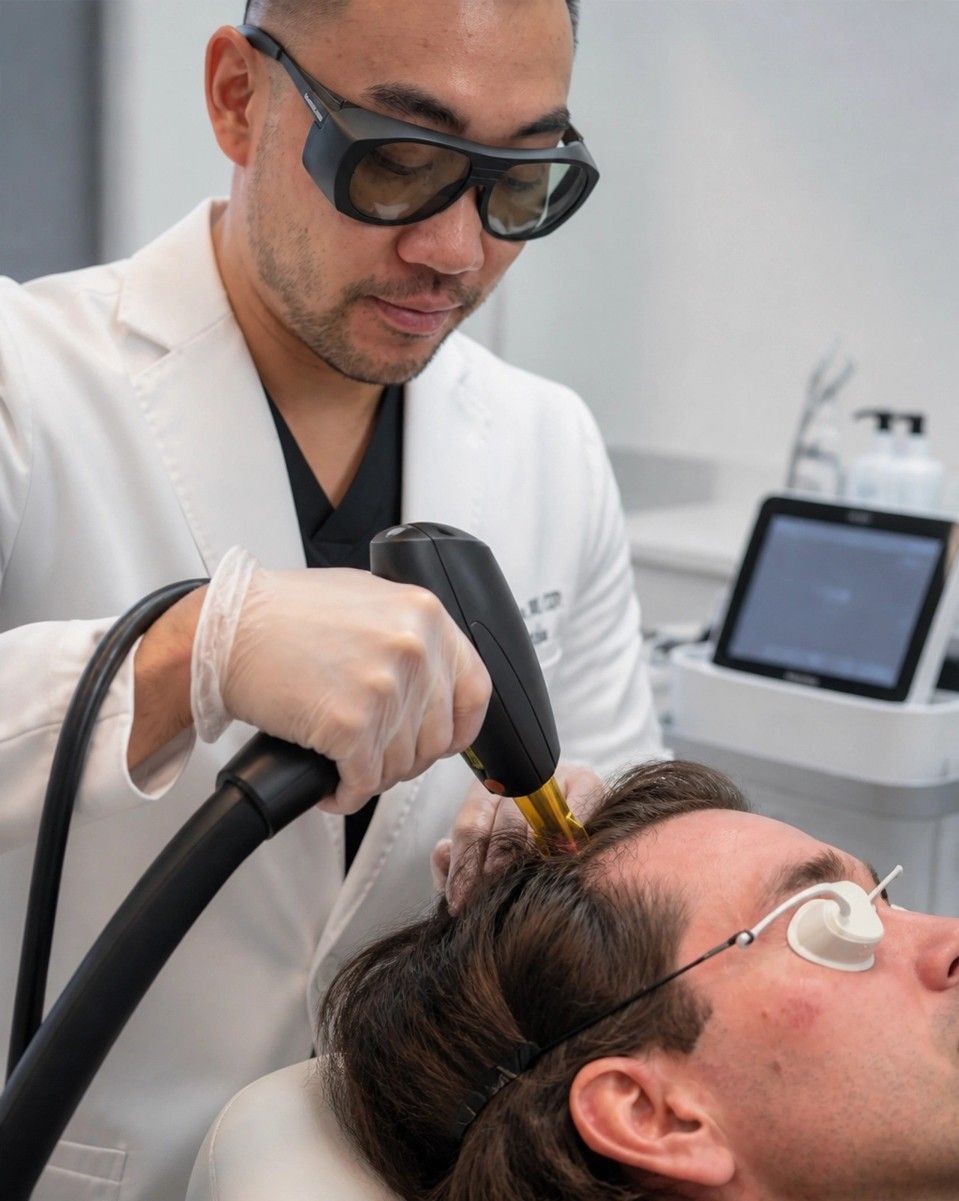
For selected patients, exosomes may also be integrated with FoLix™ laser hair restoration. Dr. Chao is the exclusive provider of FoLix™ in BC, and this combination can be part of a careful long-term strategy to improve density and scalp coverage.
Why a Physician-Led Approach Matters
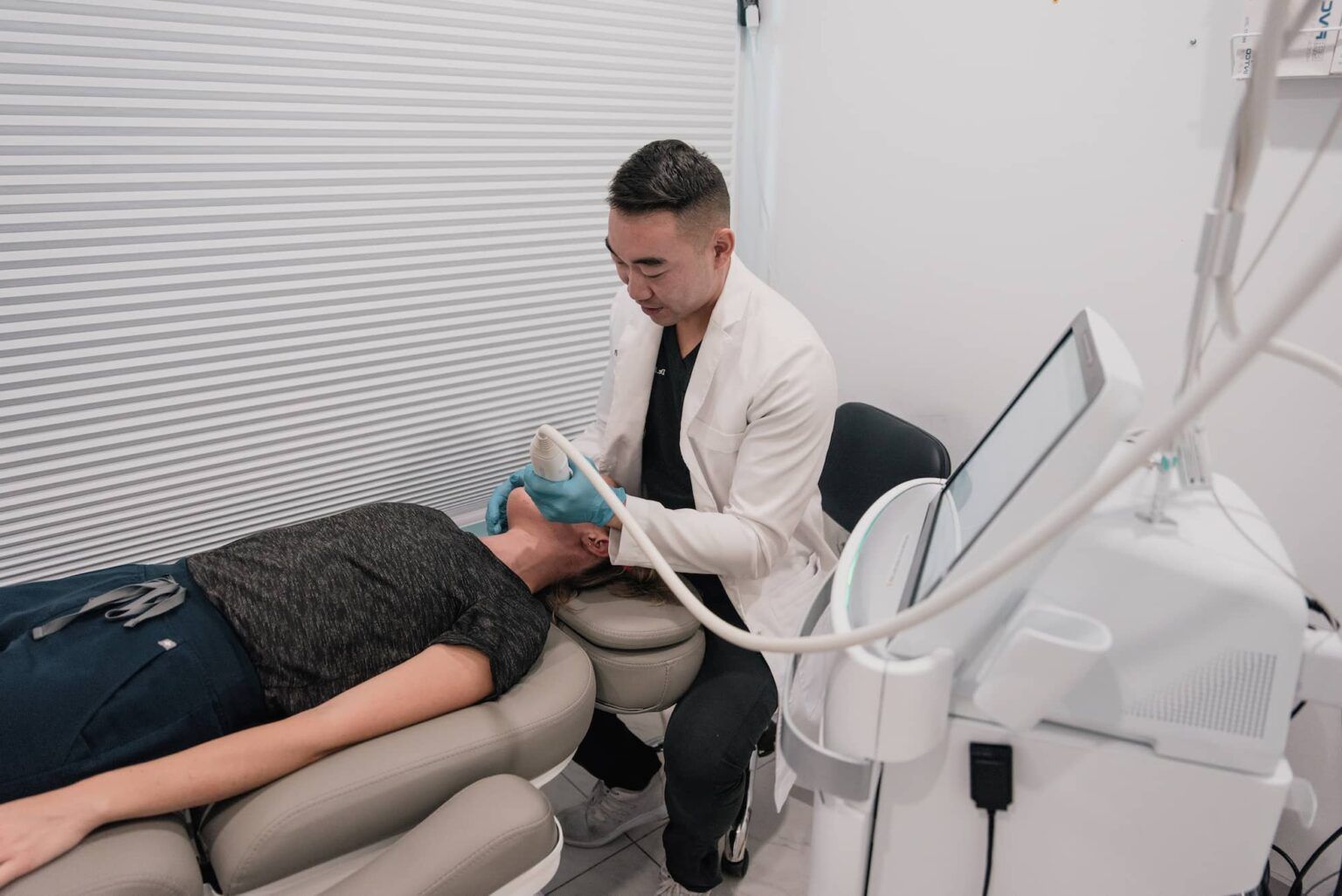
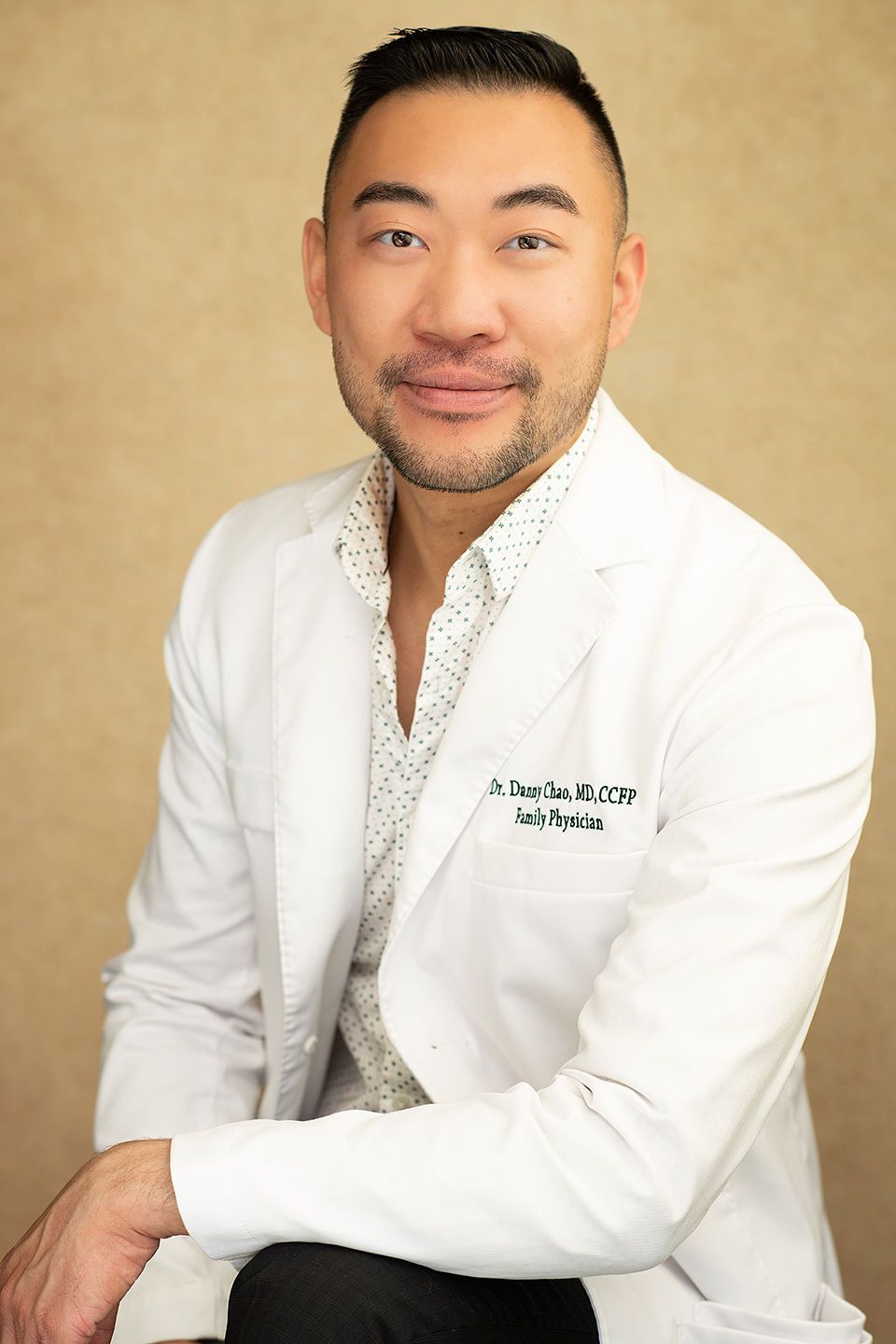
Hair loss is a medical concern, not just a cosmetic one. That is why every step at our clinic is physician-led. Dr. Danny Chao, a board-certified Canadian-trained doctor, personally performs consultations and treatments rather than delegating care.
This matters because a medically guided approach helps ensure:
- Accurate diagnosis: Not all hair loss is the same.
- Careful product selection: Only medical-grade, evidence-based options are considered.
- Precise treatment delivery:
Technique, depth, and treatment planning all affect outcomes.
What to Expect
Results are gradual and require realistic expectations.
- Months 1–2: Shedding may begin to settle.
- Months 3–6: Early improvement in thickness or new growth may appear.
- Beyond 6 months: Density changes become easier to assess.
Most patients can return to normal routines quickly, whether that means heading back downtown after treatment or carrying on with a regular day in Kitsilano.
Is Exosome Therapy Right for You?
Exosomes may be worth considering if:
- You are in the early to moderate stages of thinning
- You want a non-surgical, evidence-based option
- You value personalized, doctor-led treatment and follow-up

Taking a Positive Next Step
If you have noticed ongoing thinning, a consultation can help clarify whether exosomes fit into a sensible long-term plan. At our clinic, the goal is not to chase trends. It is to offer clear advice, realistic expectations, and physician-delivered treatment options tailored to you.